In competitive environments, predictability often leads to rigid strategies where the most skilled participant consistently wins without much dynamic pushback. However, incorporating elements of chance fundamentally alters how players assess risks, manage resources, and adapt to shifting circumstances. Understanding why randomness introduces unpredictability helps explain its enduring role in modern game design.
The Impact of Stochastic Mechanics on Player Strategy
When game outcomes rely purely on deterministic rules, strategic choices become solvable mathematical problems. The introduction of stochastic mechanics forces players to account for probability rather than relying solely on fixed patterns. Consequently, competitors must develop flexible mindsets that prioritize risk mitigation over single-track execution.
Unpredictable factors prevent dominant tactics from overly stagnating the overall match structure. Players who excel at adapting to sudden variance often find greater success in fluid gaming environments. This constant flux requires continuous mental engagement throughout every phase of competition.
Leveling the Playing Field Between Skill Levels
Pure skill-based titles usually maintain a strict hierarchy where experienced participants rarely lose to newcomers. Random events create temporary windows of opportunity that allow less skilled players to remain competitive. This variance lowers entry barriers without completely erasing the value of long-term practice.
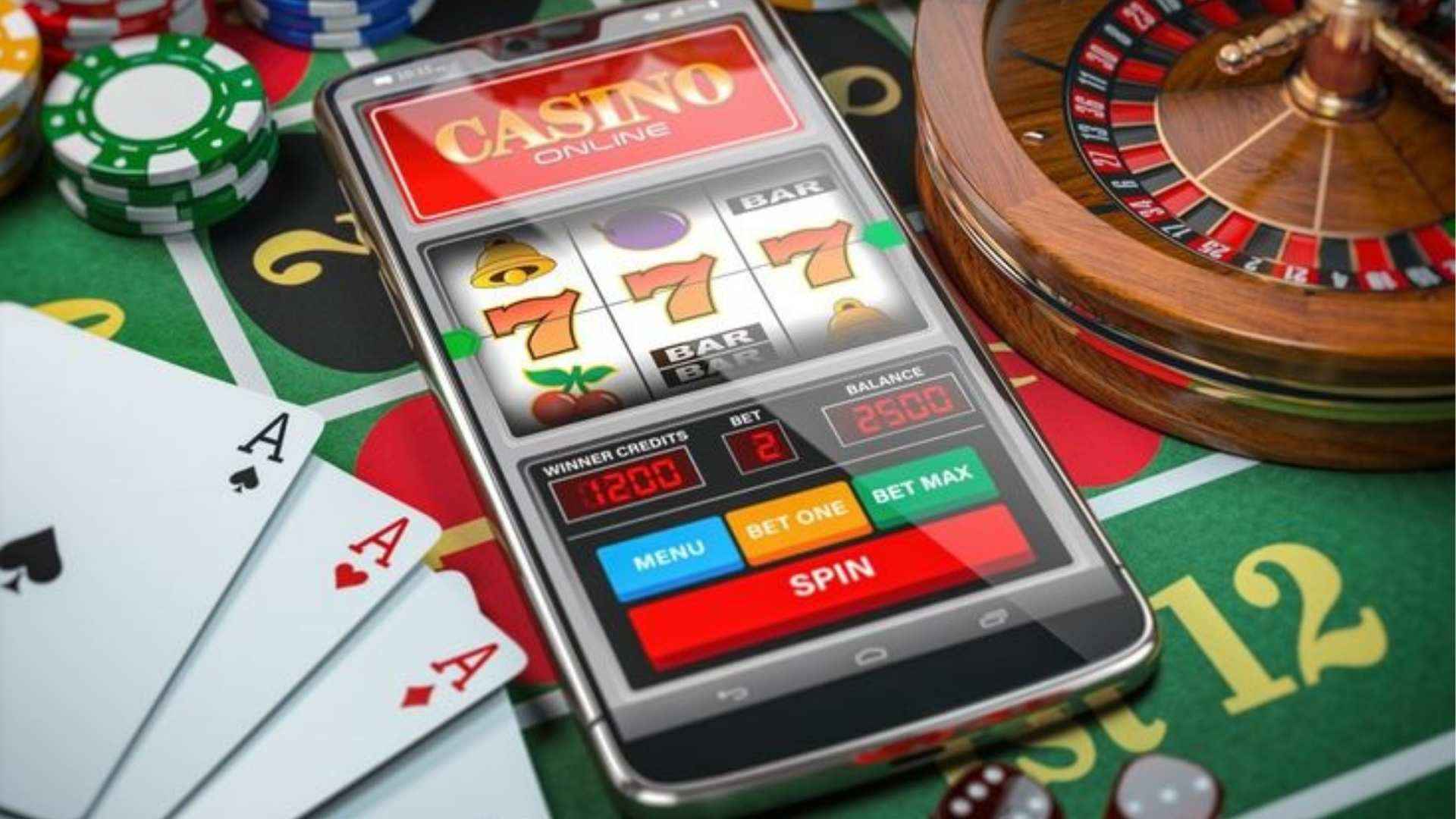
For many gaming enthusiasts accessing digital platforms via m88.com mobile interfaces, unpredictability elevates overall suspense during live sessions. The potential for unexpected reversals keeps every match entertaining for both participants and observers. Balanced chance ensures that victory is never completely guaranteed until the final moment.
Psychological Pressure and Decision Under Uncertainty
Navigating unknown variables introduces a distinct layer of cognitive load during high-stakes scenarios. Competitors must evaluate whether to play conservatively or pursue high-risk, high-reward opportunities. Hesitation or miscalculating odds under pressure can instantly shift momentum toward an opponent.
Managing emotional responses becomes just as crucial as executing mechanical skill when unexpected events occur. Players who remain calm during unfavorable random outcomes can recover more effectively. The psychological battle grows significantly deeper when certainty is removed from the equation.
Designing Balanced Unpredictability for Long-Term Engagement
Game developers carefully distinguish between input randomness, which provides unpredictable starting scenarios, and output randomness, which determines action results. Thoughtful implementation prevents chance from feeling unfair or arbitrary to dedicated players. Striking the right balance ensures that strategic mastery still holds primary value over time.
Ultimately, moderate unpredictability enriches competitive play by keeping match dynamics fresh and challenging. By forcing continuous adaptation, random elements preserve the core thrill of competition across diverse player bases.