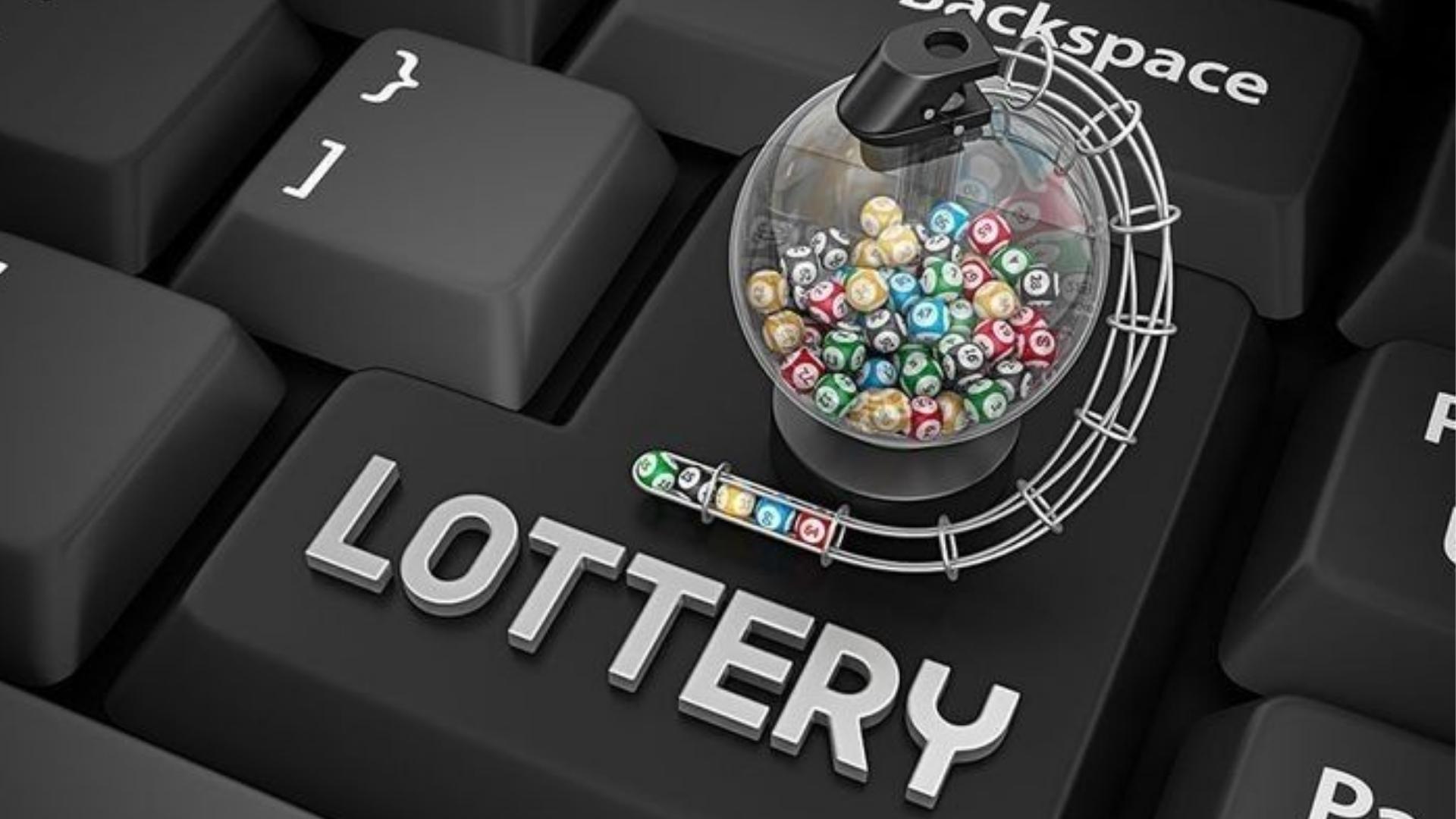
Modern game development increasingly focuses on creating immersive environments where player satisfaction is the ultimate metric of success. While traditional progression loops relied heavily on repetitive grind mechanics, contemporary designers are shifting toward frameworks that prioritize organic entertainment and intrinsic motivation. By centering distribution models on genuine fun, studios can foster loyal communities that stay actively involved for the long term.
The Psychology of Meaningful Incentives
When game mechanics prioritize immediate satisfaction over strenuous labor, players feel a stronger connection to the digital world. Psychological studies suggest that reinforcing positive behaviors through creative surprises triggers a sustainable cycle of entertainment. This approach moves away from rigid structures, ensuring that participants remain motivated by the joy of discovery rather than an obligation to complete tasks.
Furthermore, aligning milestones with diverse player archetypes ensures that both casual users and hardcore completionists find value in their sessions. When virtual prizes feel deeply tailored to individual playing styles, the overall sense of accomplishment is significantly heightened. This balance transforms routine interactions into memorable gameplay moments that feel highly personalized.
Balancing Fairness and Engagement
Achieving equilibrium between randomized drops and deterministic skill progression remains a primary challenge for modern design teams. If structural systems lean too heavily on pure luck, users often become discouraged by a perceived lack of control over their achievements. Conversely, entirely predictable outcomes can rapidly diminish the excitement that comes from unexpected virtual breakthroughs.
To maintain community trust, forward-thinking developers implement transparent drop rates and adaptive systems that mitigate long streaks of poor fortune. Enthusiasts seeking interactive platforms that successfully cultivate this delicate balance can explore options via the login situs m88 portal to observe modern deployment models. Providing clear visibility into operational math ensures that participants feel respected and fairly treated during their gaming journeys.
The Future of User-Centric Game Design
As telemetry and machine learning systems become more sophisticated, the architecture of interactive feedback loops will continue to adapt dynamically. Future game environments will likely analyze real-time player data to adjust distribution frequencies, keeping engagement levels optimized without causing fatigue. This technological evolution marks a significant shift from rigid legacy design toward flexible, player-first ecosystems.
Ultimately, designing around enjoyment requires a holistic understanding of human behavior and interactive entertainment trends. When creators prioritize sustainable satisfaction over short-term retention metrics, they build healthier environments for global audiences. The continued evolution of these systems will undoubtedly shape the landscape of digital media for years to come.